
Frequently asked questions
Frequently asked questions about Amaro Artista
Essential answers about Artista, Artista Maturo, serving, ingredients, history, cocktails, restaurants and online purchasing.
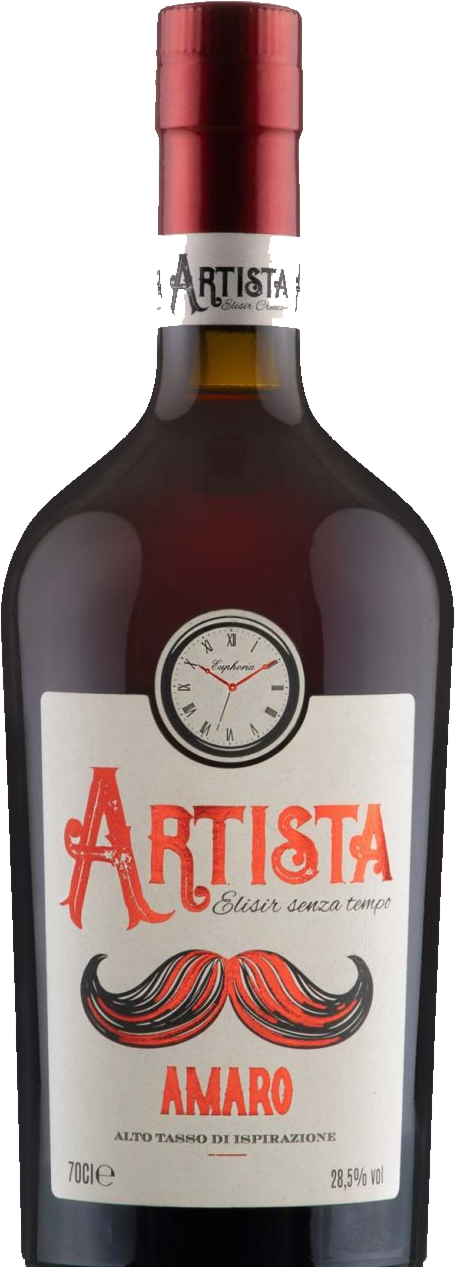
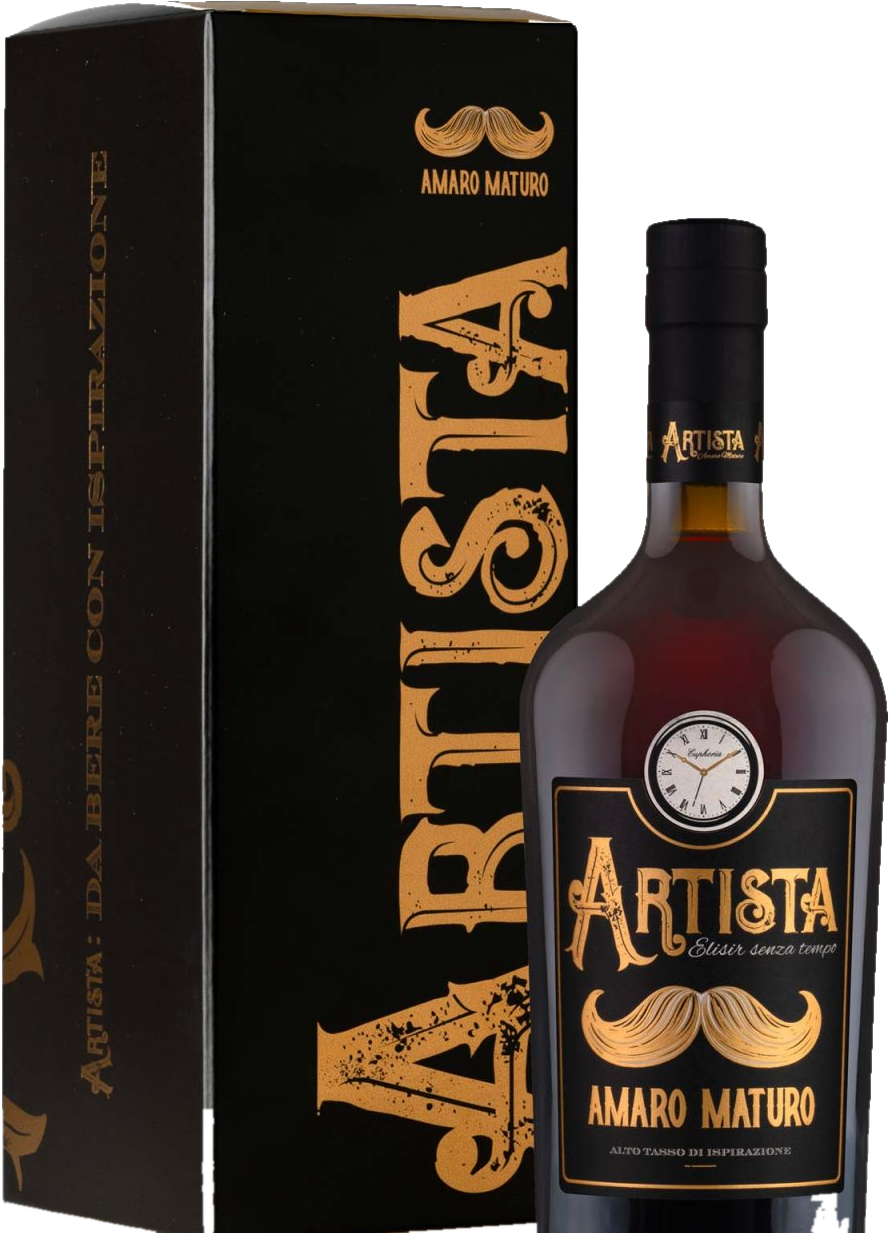
This page brings together the most useful questions for understanding Amaro Artista clearly. It is designed for anyone choosing a bottle, offering it in a venue, serving it correctly or telling its story accurately.
- Identity and origin
- Artista e Artista Maturo
- Serving and tasting
- Ingredients and characteristics
- Restaurants and cocktail bars
- Purchasing, prices and formats
- Cocktails and mixology
- Awards and recognition
Identity and origin
Answers that explain where Amaro Artista comes from and why its story is linked to Livorno.
What is Amaro Artista?
Amaro Artista is a family of Tuscan craft amari from Livorno. It was created as more than a simple after-dinner digestif: it is a tasting experience made with 33 herbs, spices and natural extracts, at 28.5% ABV, with a story that brings together old-world flavour and a contemporary spirit.
The family includes two expressions: Artista, the original version, and Artista Maturo, aged in oak for 6 months.
Is Amaro Artista a Tuscan amaro?
Yes. Amaro Artista is a Tuscan craft amaro born in Livorno. Its link with the city is integral to its identity: Livorno shapes its imagery, story and Mediterranean character, built around the port, spices, citrus fruits, travellers and artists.
Why is Livorno important to the story of Amaro Artista?
Livorno is where the story begins. Around 1860, its port was a crossroads for ships carrying citrus fruits, spices and herbs from across the Mediterranean. In cafés frequented by sailors, travellers and artists, people told of an elixir made in a small distillery: an amaro said to free the mind and spark inspiration.
That evocative tale lies at the heart of Amaro Artista: an old-world flavour brought back to life with contemporary sensibility.
Artista e Artista Maturo
Both expressions share the same essence, yet suit different tasting occasions.
What is the difference between Artista and Artista Maturo?
Artista is the original expression. It is not oak-aged and has a fresher, more citrus-led and direct profile, for those seeking balance, aromatic intensity and immediacy.
Artista Maturo starts from the same recipe but rests in oak for 6 months. Ageing makes it rounder and deeper, with a warmer, more enveloping character. It is ideal for slow, contemplative sipping at room temperature or warmed during the colder months.
When should you choose Artista?
Choose Artista when you want a fresh, spiced, citrus-led and immediate amaro. It suits after-dinner drinking, restaurant service and mixology, and appeals to anyone seeking an elegant amaro without excessive bitterness.
When should you choose Artista Maturo?
Choose Artista Maturo when you want a rounder, deeper and more contemplative amaro. Its 6 months in oak soften the bitter notes into a smoother, warmer and more persistent sip. It is ideal at room temperature and can also be served warm like a punch during the colder months.
Is Artista Maturo simply a stronger version of Artista?
No. Artista and Artista Maturo have the same strength: 28.5% ABV. The difference lies in character, not alcohol: Artista is fresher and more citrus-led, while Artista Maturo is rounder after 6 months in oak.
Serving and tasting
Serving an amaro well means respecting its aromas, nuances and drinking occasion.
How should Amaro Artista be served?
Serve Artista chilled at 4–6 °C or at room temperature. Serve Artista Maturo at room temperature; during the colder months it may also be served warm, like a punch.
Neither expression should be served ice-cold when enjoyed neat: the 33 herbs, spices and extracts have aromas and nuances that deserve to be appreciated rather than muted by excessive cold.
Why should Amaro Artista not be served ice-cold?
Because excessive cold flattens its aromas. Amaro Artista is built on nuances of citrus, spices, herbs, bitter notes and balsamic sensations. Serving it ice-cold hides an important part of its character.
Artista may be served chilled at 4–6 °C, but not ice-cold, because the cold should never erase its aromas.
Should Artista Maturo be served chilled?
No. Artista Maturo is not intended to be served chilled. Serve it at room temperature or warmed like a punch during the colder months. Its rounder character and 6 months in oak show best when cold does not harden the sip.
Is ice always wrong?
No. Ice is not recommended when enjoying it neat because it over-dilutes and over-chills the aromatic profile. In cocktails, ice is correct and intentional: it has a technical role in structure, temperature and dilution.
Ingredients and characteristics
Practical information for describing Amaro Artista accurately.
Which herbs does Amaro Artista contain?
Amaro Artista is made with 33 herbs, spices and natural extracts. Its recognisable botanicals include eucalyptus, mint, gentian, Chinese rhubarb, cardamom, bitter orange and lemon peel, cinnamon and cloves.
The recipe seeks balance rather than aggressive bitterness, combining freshness, sweetness, spice and persistence.
What is the alcohol content of Amaro Artista?
Artista and Artista Maturo are both 28.5% ABV, giving structure and aromatic presence without making the finish feel heavy.
Is Amaro Artista gluten-free?
Yes. Artista and Artista Maturo are certified gluten-free. They are also made without artificial flavourings, preservatives or colourings.
What does Amaro Artista taste like?
Artista has a sweet, citrus-led profile with herbal notes, spices and a balanced bitter finish. Artista Maturo retains the same aromatic essence, while oak ageing makes it rounder, warmer and deeper.
Restaurants and cocktail bars
A good amaro for restaurants should be enjoyable and easy to explain in a few seconds.
Is Amaro Artista suitable for restaurants?
Yes. Amaro Artista suits restaurants, cocktail bars, wine bars and venues looking for a distinctive finish to a meal. It has a strong sense of place, two easy-to-explain expressions, and practical information for front-of-house staff: alcohol content, serving style, gluten-free certification and the difference between Artista and Artista Maturo.
Which expression should be offered in a restaurant?
Artista is the fresher, more immediate and versatile choice, ideal as an aromatic close to a meal. Artista Maturo is rounder and more contemplative, suited to those who want a deeper sip or an after-dinner drink during the colder months.
How can it be presented at the table?
A simple introduction is: “I recommend Amaro Artista. It was born in Livorno from a recipe inspired by the mid-nineteenth century, when the port was a crossroads for spices, citrus fruits and artists. Artista is fresher and more citrus-led; Artista Maturo rests in oak for 6 months and is rounder.”
It is a short introduction that conveys place, story, product difference and a reason to choose.
How many amari does a restaurant list need?
In many venues, three or four well-chosen expressions work better than a long, confusing list. Ideally, cover different styles: a fresh citrus-led amaro, a more balsamic one, a more intense one and, where it suits the cuisine, an oak-aged expression.
Purchasing, prices and formats
Useful information for choosing the right format for home, a gift or a venue.
How much does Amaro Artista cost?
The recommended price is €29.90 for a 70 cl bottle of Artista, €33.90 for Artista with a presentation box and €39.90 for Artista Maturo with a presentation box.
Prices may vary by availability, promotion or sales channel; always check the official Amaro Artista shop before purchasing.
Where can I buy Amaro Artista online?
You can buy Amaro Artista from the official online shop and choose from the available formats. It is the most direct place to check bottles, presentation boxes, gift options and current availability.
Is Amaro Artista suitable as a gift?
Yes. Amaro Artista makes a suitable gift because it combines a distinctive bottle, an engaging story and an approachable yet characterful taste. Versions with a presentation box are best for a polished gift.
Cocktails and mixology
Ice plays a different role when amaro becomes part of a cocktail.
Can Amaro Artista be used in cocktails?
Yes. Both expressions are suitable for mixology. Artista brings freshness, citrus and spice; Artista Maturo adds warmer roundness and can lend depth to after-dinner cocktails.
A dedicated collection of Artista cocktail recipes is also available.
What role does ice play in Amaro Artista cocktails?
In a cocktail, ice does more than chill: it creates balance, dilution and texture. It is therefore correct in mixology, although it is not recommended when enjoying the amaro neat.
Awards and recognition
Awards provide an independent indication of the product’s perceived quality.
Has Amaro Artista received awards?
Yes. The Artista expression received four international awards in 2021 and 2022: a Gold Medal at the 2021 World-Spirits Award, a Bronze Medal at the 2021 International Wine & Spirits Competition, a Silver Medal at the 2022 USA Spirits Ratings and a Gold Medal at the 2022 Merano WineHunter Award.
The awards refer to Artista, not Artista Maturo.
